Real estate syndication represents one of the most structured and capital-efficient methods for accredited investors to access institutional-quality commercial real estate. Yet the mechanics of how a real estate syndication deal moves from initial opportunity identification through final investor distributions remain opaque to many prospective limited partners. Understanding each phase of the syndication lifecycle—from asset sourcing through exit execution—enables investors to evaluate sponsor competency, assess risk-adjusted return potential, and make informed capital allocation decisions.
A well-executed real estate syndication deal follows a systematic progression through seven distinct phases: market and asset selection, comprehensive due diligence, capital formation, legal structuring, active asset management, value creation execution, and strategic exit. Each phase requires specific expertise, carries defined costs, and generates particular investor value. Primior’s vertically integrated platform manages each component internally, reducing third-party dependencies and maintaining alignment throughout the investment period. For accredited investors evaluating syndication offerings, comprehending this operational framework provides essential context for assessing both sponsor capability and deal-specific risk profiles.
Deal Sourcing and Market Selection
The syndication lifecycle begins with systematic deal sourcing and disciplined market selection. Sponsors employ multiple acquisition channels: direct seller outreach, broker relationships, proprietary databases, distressed asset identification, and off-market transaction networks. Superior deal flow stems from established market presence, transaction history, and specialized sector knowledge rather than passive listing review.
Primior’s acquisition team focuses on primary and secondary markets demonstrating employment growth, population migration trends, housing shortage dynamics, and favorable regulatory environments. A recent example: a $17.5 million multifamily acquisition in Orange County identified through an existing lender relationship before public marketing. The 156-unit property showed 67% occupancy due to deferred maintenance, creating a value-add opportunity invisible to capital-constrained buyers.
Market selection precedes individual asset evaluation. Sponsors analyze metropolitan statistical area (MSA) fundamentals including job creation rates, median household income trajectories, housing supply constraints, and tenant demographic profiles. Submarket analysis examines school district quality, transportation infrastructure, retail amenities, and competitive property inventory. These macro and micro factors determine the ceiling for achievable rent growth and exit capitalization rates regardless of operational improvements.
Qualified sponsors maintain defined investment criteria: asset class focus, vintage requirements, acquisition price ranges, minimum returns, maximum leverage, and geographic boundaries. This discipline prevents mission creep into unfamiliar markets or asset types. Deal sourcing becomes efficient when acquisition teams repeatedly transact in known markets with established service provider networks.
Comprehensive Due Diligence Process
Once a property reaches letter of intent stage, comprehensive due diligence commences. This 45-75 day process validates investment thesis assumptions, quantifies identified risks, and establishes the operational roadmap for the business plan execution. Due diligence extends far beyond physical property inspection—it encompasses financial, legal, environmental, structural, and market validation.
Financial due diligence analyzes trailing 12-month and T-3 operating statements, rent rolls, tenant payment histories, expense classifications, capital expenditure reserves, and accounts receivable aging. Underwriting teams reconcile reported financial performance against tax returns, bank statements, and utility bills to identify income inflation or expense manipulation. Revenue analysis evaluates unit mix economics, lease-up velocity, renewal rates, and market rent comparables to stress-test projected income assumptions.
Physical due diligence deploys licensed inspectors, structural engineers, environmental consultants, and specialized trades to assess property condition. Phase I environmental site assessments identify contamination risks requiring remediation or ongoing monitoring. Property condition reports quantify deferred maintenance, estimate remaining useful life for major building systems, and project near-term and long-term capital requirements. These findings directly impact purchase price negotiations, reserve funding requirements, and renovation scope.
Legal and title review examines ownership documentation, title exceptions, easements, deed restrictions, outstanding liens, tax compliance, zoning conformity, and permit history. This process uncovers potential clouds on title, required seller cures, or unfavorable encumbrances affecting property rights or development potential. Market due diligence validates projected rent growth, comparable sales transactions, submarket vacancy trends, new construction pipeline, and competitive property positioning through third-party market studies and field surveys.
Capital Raise and Investor Communications
Parallel to due diligence, the sponsor initiates capital formation through private placement memorandum (PPM) distribution to qualified investors. The PPM includes property details, market analysis, business plan overview, financial projections, risk factors, sponsor track record, fee structures, and legal terms. Accredited investors receive this disclosure alongside subscription agreements, operating agreements, and supporting due diligence materials.
Capital raises typically span 30-60 days depending on investment size, sponsor track record, and investor base depth. Established sponsors with strong historical performance and repeat investors close capital commitments more rapidly than emerging managers executing initial transactions. Communication cadence during this phase includes investor presentations, property tours, due diligence report sharing, and individual investor consultations.
Primior structures most syndications with defined minimum investment thresholds ($50,000-$100,000 typical) and maximum offering amounts determined by acquisition price and target leverage. The capital stack generally consists of 60-75% senior debt financing and 25-40% equity, with the sponsor contributing 5-20% of required equity alongside limited partner capital. This co-investment alignment ensures sponsor interests match investor outcomes throughout the hold period.
Subscription management requires detailed compliance with Regulation D provisions, investor accreditation verification, anti-money laundering protocols, and securities law adherence. The sponsor’s legal counsel coordinates these requirements while maintaining centralized tracking of committed capital, executed documents, and funding timelines. Capital calls occur at closing to fund acquisition costs, immediate operational needs, and initial reserve accounts.
Legal Structure and Entity Formation
Real estate syndication deals operate through specific legal structures balancing liability protection, tax efficiency, operational flexibility, and investor rights. The most common formation combines a Delaware limited liability company (LLC) structured as the parent entity with property-specific single-purpose entities (SPEs) holding individual assets. This structure isolates property-level risk while consolidating management authority and investor reporting.
The operating agreement governs sponsor authority, investor rights, distribution priorities, decision-making thresholds, transfer restrictions, and dissolution procedures. Limited partners hold passive ownership positions with defined information rights, inspection privileges, and consent requirements for major decisions. General partners or managing members maintain operational control over property management, financing, capital improvements, and disposition timing within parameters established by the operating agreement.
Distribution waterfalls define how cash flow and sale proceeds allocate between limited partners and general partners. A typical structure provides a preferred return (6-8% annually) to limited partners on contributed capital, return of invested capital to limited partners, and then remaining profits split 70/30 or 80/20 between limited partners and general partners respectively. This carried interest incentive, termed the “promote,” aligns sponsor compensation with superior performance beyond baseline return thresholds.
Tax treatment flows through the LLC structure to individual investors maintaining partnership tax status. Investors receive Schedule K-1 forms annually reporting their proportionate share of rental income, operating expenses, mortgage interest, depreciation, and capital gain or loss upon disposition. The partnership files Form 1065 with detailed financial schedules supporting individual K-1 allocations. Professional tax advisors should evaluate personal tax implications based on individual circumstances, and investors can explore real estate investing terms to better understand the terminology.
Asset Management and Value Execution
Following acquisition close, active asset management commences. This ongoing function encompasses rent optimization, expense management, tenant relations, maintenance coordination, vendor management, and financial reporting. Superior asset management differentiates mediocre from exceptional investment performance, particularly in value-add strategies requiring repositioning or operational improvement.
Primior’s vertically integrated platform includes in-house property management teams executing business plans without relying on third-party providers who may lack alignment with investor return objectives. Property managers implement rent growth initiatives through unit renovations, common area improvements, amenity additions, and strategic marketing. Operational efficiency gains emerge from competitive vendor bidding, utility expense audits, property tax appeals, insurance optimization, and preventive maintenance programs.
Value-add execution follows defined timelines tied to capital deployment schedules. Interior unit renovations targeting rent premiums typically require 4-8 weeks per unit including tenant turnover, renovation completion, and lease-up. Projects achieve maximum velocity by maintaining showroom units demonstrating renovation quality, securing material inventory, and coordinating contractor schedules to minimize vacancy loss. Successful repositioning strategies upgrade 15-25% of units annually while maintaining healthy occupancy levels and controlled vacancy costs.
Monthly reporting provides investors with performance updates including occupancy rates, collected rent, operating expenses, capital expenditures, renovation progress, and financial variances to projections. Quarterly reports expand detail with market updates, comparable property performance, photographs documenting improvement progress, and refined forward-looking projections. Transparent communication builds investor confidence and facilitates future capital raises for subsequent acquisitions. Many sponsors showcase their results through detailed case studies that demonstrate value creation over time.
Fee Structures and Investor Returns
Real estate syndication deals generate sponsor compensation through multiple fee streams while providing investor returns through cash distributions and appreciation. Understanding this economic split enables investors to evaluate whether fee structures align with performance incentives or extract excessive value regardless of outcomes.
Typical fee structures include an acquisition fee (1-3% of purchase price), covering transaction costs, due diligence expenses, and initial setup. Asset management fees (1-2% of gross revenue annually) compensate ongoing operational oversight, reporting, investor relations, and business plan execution. Disposition fees (1-2% of sale price) cover sale process management, broker coordination, and closing procedures. These fees compensate the sponsor for time, expertise, and infrastructure independent of investment performance.
The performance-based promote or carried interest represents the primary alignment mechanism. After limited partners receive their preferred return and capital return, the sponsor shares in remaining profits. A hypothetical example: on a property generating 15% annual returns after all operating expenses and debt service, limited partners might receive their 7% preferred return plus return of principal, with remaining gains split 70/30. If returns only reach 7%, the sponsor receives only management fees without promote participation.
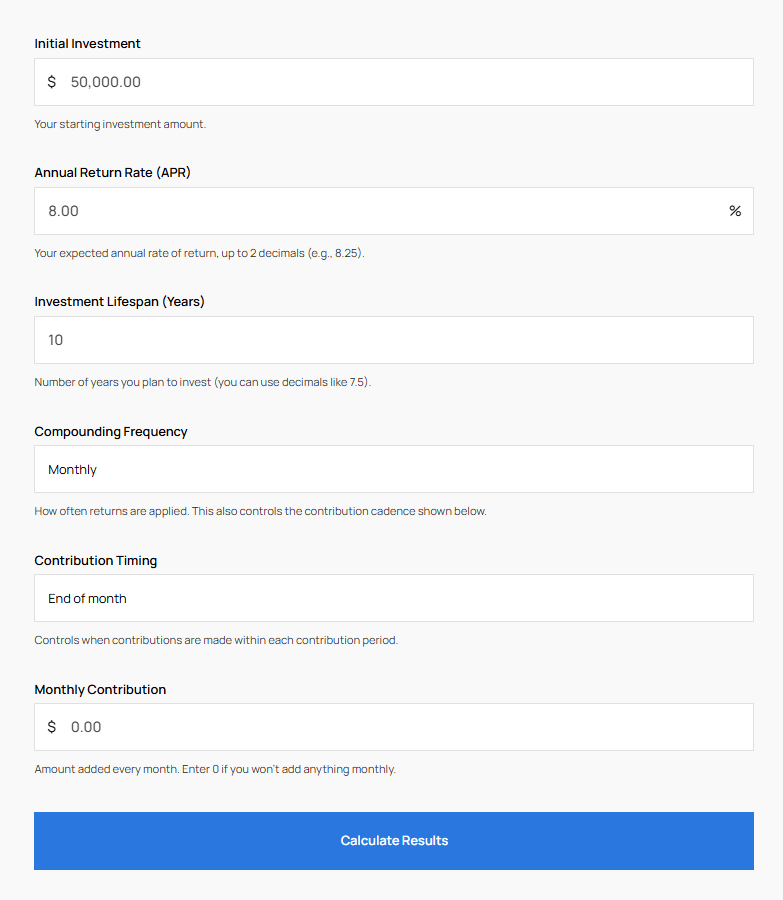
Investors should evaluate fee reasonableness relative to deal complexity, sponsor track record, and competitive market structures. Excessive fees reduce net investor returns even when gross performance meets projections. The investment calculator can help model different return scenarios and visualize how fees impact net distributions over various hold periods and exit outcomes.
Return generation occurs through quarterly or annual cash distributions from property operations and sale proceeds at exit. Operating cash flow after debt service typically yields 5-8% cash-on-cash returns annually. Appreciation and debt paydown generate additional returns realized at disposition, with total returns targeting 15-20% IRR for value-add strategies over 3-7 year hold periods. Conservative projections stress-test downside scenarios while base case assumptions reflect achievable outcomes supported by market data and operating history.
Exit Strategy: Sale or Refinance
Every real estate syndication deal commences with defined exit parameters guiding hold period targets, return thresholds, and disposition strategy. While opportunistic sales may occur earlier than projected if market conditions warrant, most syndications plan for 3-7 year hold periods allowing sufficient time for business plan execution, market appreciation, and transaction cost amortization.
Two primary exit paths exist: property sale or cash-out refinance. Sale disposition provides complete liquidity, returns all investor capital, and crystallizes gains. The sponsor engages commercial real estate brokers to market the property, solicit competitive offers, negotiate purchase agreements, and coordinate closing procedures. Sale proceeds first satisfy remaining debt obligations, then distribute to limited partners per the waterfall provisions, with promote distributions following capital return completion.
Timing sale execution requires market assessment balancing current pricing against forward expectations. Sellers benefit from low cap rate environments, strong leasing momentum, completed value-add initiatives, and multiple interested buyers. Market indicators include transaction volume trends, pricing comparables, available buyer financing, and broader economic conditions. Primior’s leadership team continuously evaluates market conditions to optimize exit timing for investor benefit.
Cash-out refinancing provides an alternative exit allowing sponsors to return investor capital while maintaining property ownership. This strategy works effectively when property performance improvements support higher valuations and favorable financing terms enable extracting equity exceeding original investor contributions. Refinancing preserves ongoing cash flow distributions while providing capital return liquidity, though investors maintain exposure to future market fluctuation and operational risk.
Disposition fee structures compensate sponsors for sale management separate from promote participation. A $20 million property sale at a 2% disposition fee generates $400,000 sponsor compensation plus promote on net proceeds after return of the original equity basis. This dual compensation model rewards both successful exit execution and superior investment performance. Sophisticated sponsors balance current exit opportunities against projected future value creation to maximize aggregate investor returns rather than optimizing near-term fee generation.
Conclusion
A successful real estate syndication deal requires disciplined execution across sourcing, diligence, capitalization, structuring, management, and disposition phases. Each component builds on the previous stage, creating compounding value through systematic attention to operational details and strategic decision-making. Sponsors with vertically integrated capabilities, established market presence, and aligned fee structures deliver superior risk-adjusted returns by eliminating third-party dependencies and maintaining direct control over value creation initiatives.
For accredited investors evaluating syndication opportunities, understanding this lifecycle framework enables more sophisticated sponsor assessment and deal evaluation. The questions worth asking focus on track record consistency, operational infrastructure depth, market knowledge, fee reasonableness, and alignment mechanisms rather than surface-level projected returns disconnected from execution capabilities.
Primior’s platform integrates acquisition, development, asset management, and disposition expertise within a single organizational structure supporting this end-to-end syndication execution model. Investors seeking passive real estate exposure backed by institutional processes and active management should evaluate how sponsor capabilities match the demands of each lifecycle phase before committing capital. The anatomy of a successful syndication extends far beyond a promising property—it requires competent execution across every operational dimension from initial sourcing through final investor distributions.