
The headline story of commercial real estate in the 2020s has been the “Office Apocalypse.” Remote work permanently reduced demand for traditional office space. Vacancy rates in downtown Los Angeles, Orange County, and other major metros are hovering near 25%—levels not seen since the 1990s savings-and-loan crisis.
For most investors, high vacancy means high risk. But for experienced developers, it means something else entirely: deeply discounted real estate with existing bones.
Adaptive Reuse—converting obsolete office buildings into residential, hospitality, or mixed-use assets—has emerged as one of the most compelling value-creation strategies in the current cycle. Cities are incentivizing it. Lenders are financing it. And the math works.
Here is why adaptive reuse is attracting serious institutional capital in 2026 and how Primior approaches these projects.
The Economics: Why Conversion Beats Ground-Up
Building a new luxury apartment tower in Los Angeles costs between $450 and $650 per square foot, depending on the submarket. Entitlements (permits, environmental reviews, community pushback) alone can take 3 to 5 years before you break ground. Total timeline from concept to stabilized occupancy: 6 to 8 years.
Converting an existing office building fundamentally changes these economics.
1. Discounted Basis
Class B and C office buildings in Southern California are trading at 40% to 60% of their replacement cost. A building that would cost $80 million to construct new might be acquired for $35 million as a distressed office asset. This low basis creates a massive equity cushion before you even begin construction.
2. Accelerated Timeline
The structure is already standing. The foundation, steel frame, elevator shafts, and core mechanical systems exist. This eliminates the most time-consuming (and expensive) phases of development. A well-planned conversion can go from acquisition to stabilized occupancy in 24 to 36 months, roughly half the timeline of ground-up construction.
3. Zoning and Entitlement Fast-Tracking
Cities are desperate to convert empty offices into housing. Los Angeles adopted the Adaptive Reuse Ordinance (ARO) specifically to streamline the conversion process. Under the ARO, certain conversions bypass the typical discretionary review process, saving months of bureaucratic delay and hundreds of thousands in consulting fees.
The Design Challenges (And How to Solve Them)
Converting an office into apartments is not simply a matter of adding kitchens and bedrooms. Office buildings and residential buildings have fundamentally different spatial requirements. Ignoring these differences is where inexperienced developers fail.
The Floor Plate Problem
Office buildings are designed for open-plan layouts with deep floor plates (the distance from the exterior wall to the building core). A typical office floor might be 80 to 100 feet deep. Residential units require windows—California building code mandates natural light in habitable rooms. If you simply divide an 80-foot-deep floor into apartments, the interior units have no access to daylight.
Solutions:
- Light Wells and Atria: Cutting open vertical shafts through the center of the building allows light to reach interior units. This reduces leasable square footage but makes the remaining units code-compliant and desirable.
- Loft-Style Units: Designing long, narrow loft apartments that run from the exterior wall toward the core. These appeal to the urban professional demographic and maximize the usable depth.
- Single-Loaded Corridors: Instead of a central hallway with units on both sides, placing the corridor along the interior (dark) side and giving all units exterior wall exposure.
The Plumbing Challenge
Offices have centralized restroom cores—one set of bathrooms per floor. Residential units each need a full kitchen (with gas or electric hookups, water supply, and drain lines) and one or two bathrooms. This means running entirely new plumbing risers vertically through the building and horizontally to each unit.
This is the single most expensive component of a conversion. It requires core drilling through concrete slabs and careful routing to avoid compromising the structural integrity of the building. The sponsor’s construction expertise directly impacts whether this stays on budget.
The Mechanical Systems
Office HVAC systems are designed for open-plan cooling with centralized air handlers. Residential tenants expect individual climate control. The conversion typically replaces the central system with individual PTAC units (Packaged Terminal Air Conditioners), mini-splits, or a VRF (Variable Refrigerant Flow) system that provides per-unit control.
Market Demand: Who Rents These Units?
Adaptive reuse projects attract a very specific and lucrative tenant demographic that traditional garden-style apartments struggle to capture.
The Urban Professional
Young professionals in tech, entertainment, finance, and healthcare want to live where they work and play. They prioritize walkability, transit access, and neighborhood character over square footage. A converted office building in a downtown core checks every box. These tenants are typically high-earning (household income $80K to $150K), stable, and willing to pay 15% to 25% premiums for the right product.
The Creative Class
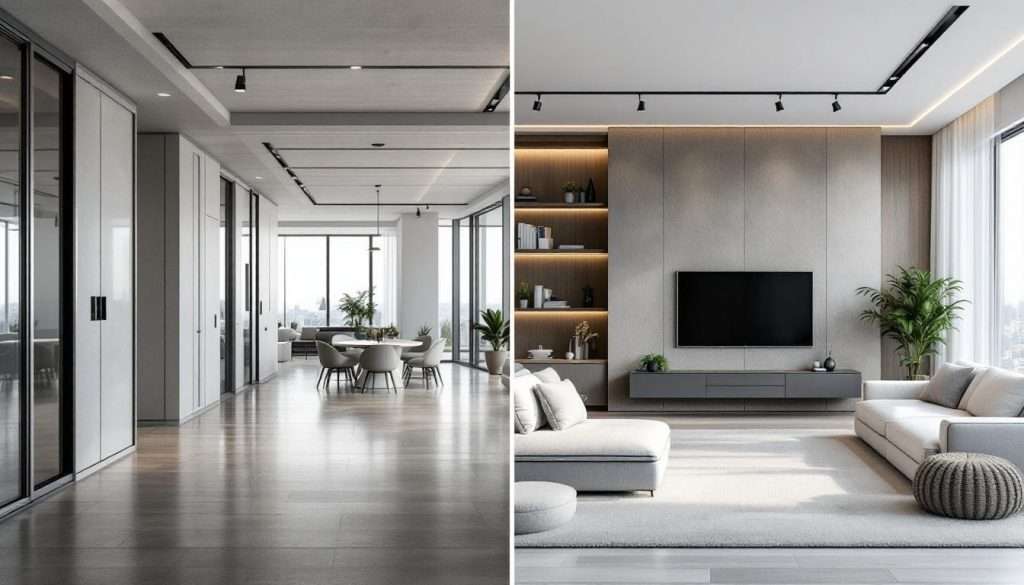
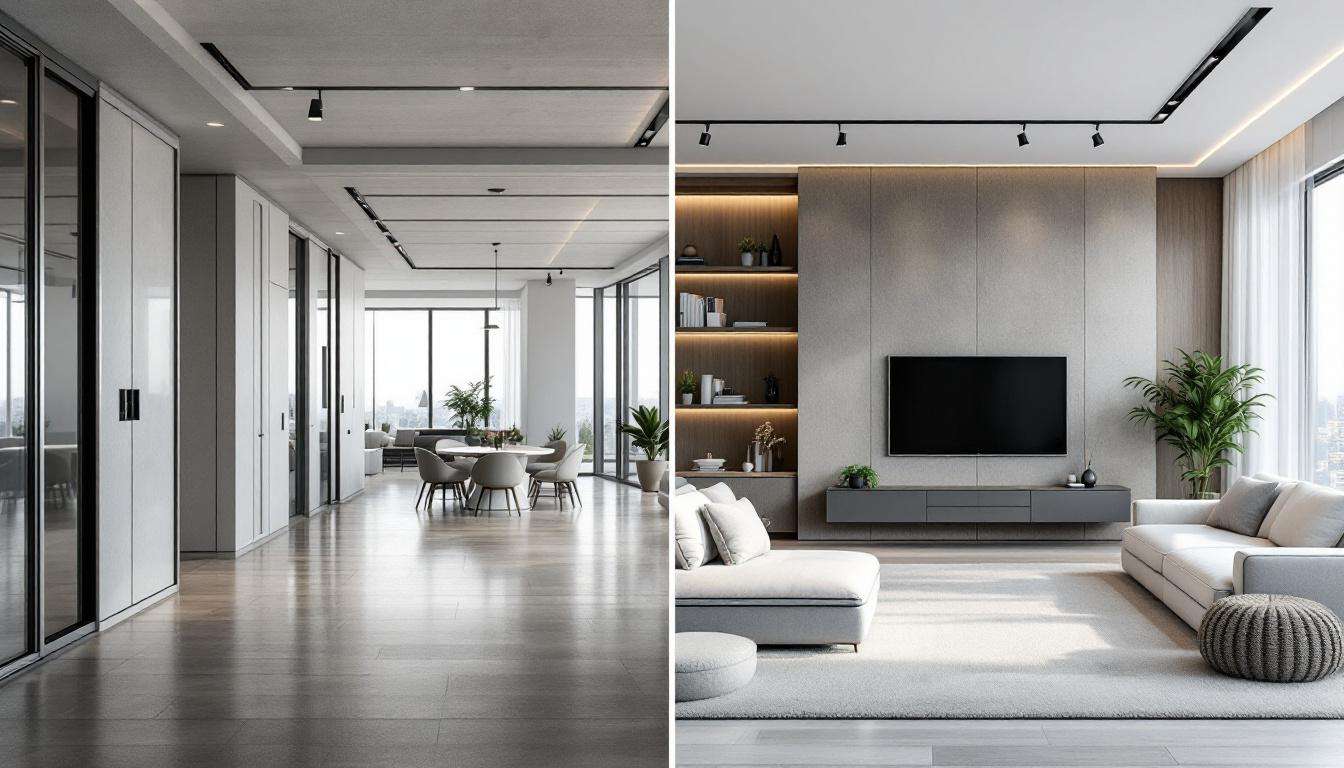
Artists, designers, content creators, and freelancers are drawn to the industrial aesthetic that conversions naturally provide. Exposed concrete ceilings, original steel beams, oversized commercial-grade windows with abundant natural light, and raw material finishes create an authenticity that new wood-frame construction simply cannot replicate. For this demographic, the building itself is part of their identity and brand.
The Downsizing Empty-Nester
A growing segment of Baby Boomers are selling suburban homes and moving into walkable urban apartments. They want quality finishes, low maintenance, and proximity to cultural amenities. Converted office buildings in established neighborhoods (not suburban developments) appeal to this cohort’s desire for character and convenience.
Amenity Expectations
All three demographics expect amenity packages that go beyond the basics:
- Coworking spaces: Converted from former office lobbies, these shared work environments are a natural fit for buildings with commercial DNA.
- Fitness and wellness centers: Yoga studios, gyms, and recovery rooms (cold plunge, sauna) are baseline expectations for premium urban renters.
- Rooftop and social spaces: Outdoor lounges with skyline views, BBQ areas, and event spaces drive community formation and tenant retention.
- Pet-friendly design: Dog runs, pet wash stations, and pet-friendly flooring are increasingly non-negotiable in urban rentals.
Financial Performance
When executed correctly, adaptive reuse delivers returns that compete with or exceed ground-up development. The financial advantage comes from three compounding factors.
Yield on Cost
The critical metric in any development is Yield on Cost (stabilized NOI divided by total project cost). Because the acquisition basis is deeply discounted (buying distressed office at $150 to $200 per square foot versus building new at $500+), and because converted units command rents comparable to new construction, the resulting Yield on Cost often exceeds 7%—significantly higher than what you would achieve by buying a stabilized apartment building at a 4% Cap Rate.
Worked Example:
- Acquisition: $30M for a 100,000 SF office building ($300/SF).
- Conversion Cost: $15M ($150/SF).
- Total Project Cost: $45M.
- Converted Units: 120 apartments averaging 700 SF.
- Average Rent: $2,800/month per unit.
- Gross Potential Revenue: $4.03M/year.
- NOI (at 60% margin): $2.42M/year.
- Yield on Cost: 5.4% (and rising as rents increase annually).
- Stabilized Value (at 4.5% Market Cap Rate): $53.7M — creating $8.7M in equity above total cost.
Faster Stabilization
Because the building shell already exists, the development timeline is compressed. A typical conversion takes 24 to 36 months from acquisition to stabilization, compared to 5 to 8 years for ground-up construction. This shorter timeline reduces the period of negative carry (the months where you are paying interest on the construction loan without any revenue). Less negative carry means a higher realized IRR for investors.
Tax Advantages
- Historic Tax Credits (HTC): If the building is listed on the National Register of Historic Places or is in a designated historic district, the federal government provides a 20% tax credit on qualified rehabilitation expenditures. On a $15M conversion, that is a $3M credit.
- Depreciation: The entire conversion cost is depreciable. Combined with a Cost Segregation study, investors can accelerate depreciation deductions to offset other passive income in the early years of the hold.
- Opportunity Zones: Many obsolete office buildings are located in designated Opportunity Zones, providing additional tax-free appreciation benefits for investors who hold for 10+ years.
Regulatory Tailwinds: Why Cities Want You to Convert
Adaptive reuse is not just a developer strategy—it is a public policy priority. Cities across California are actively incentivizing conversions because they solve two problems simultaneously: they remove vacant office space from the tax rolls (or convert it to higher-value residential) and they add housing units without consuming undeveloped land.
The Los Angeles Adaptive Reuse Ordinance (ARO)
Adopted in 1999 and expanded multiple times since, the ARO allows qualifying buildings in designated areas to be converted to residential use “by right”—meaning no discretionary review, no public hearings, and no conditional use permits. This eliminates the single biggest source of delay and risk in California development: the entitlement process.
The ARO also relaxes certain building code requirements for conversions, including density limits, open space ratios, and parking requirements. A project that would require 1.5 parking spaces per unit under new construction standards might require only 0.5 under the ARO, saving millions in underground parking construction costs.
State-Level Housing Legislation
California’s RHNA mandates and SB 35 streamlining provisions further accelerate the approval process for projects that include affordable housing components. A developer converting an office building who includes 15% to 20% of the units as income-restricted can qualify for ministerial (automatic) approval, density bonuses, and fee waivers.
The Result for Investors
These regulatory incentives directly improve project economics: faster approvals mean lower predevelopment costs, reduced parking means lower construction costs, and density bonuses mean more rentable units on the same footprint. The math gets better every year as cities compete to attract conversion projects.
The Primior Approach
At Primior, adaptive reuse is not a side project—it is a core competency. Our vertical integration means we control the design, construction, and management of every conversion. This is critical because the margin for error in these projects is tight. The developer who also builds and operates the finished product makes better decisions at every stage.
We target Class B office buildings in Southern California submarkets where residential demand far outpaces supply—areas like Downtown LA, Arts District, and emerging neighborhoods in the Inland Empire. We acquire below replacement cost, convert efficiently, and deliver institutional-quality residential assets.
If you are interested in participating in projects that transform urban landscapes while generating strong risk-adjusted returns, explore our current opportunities.