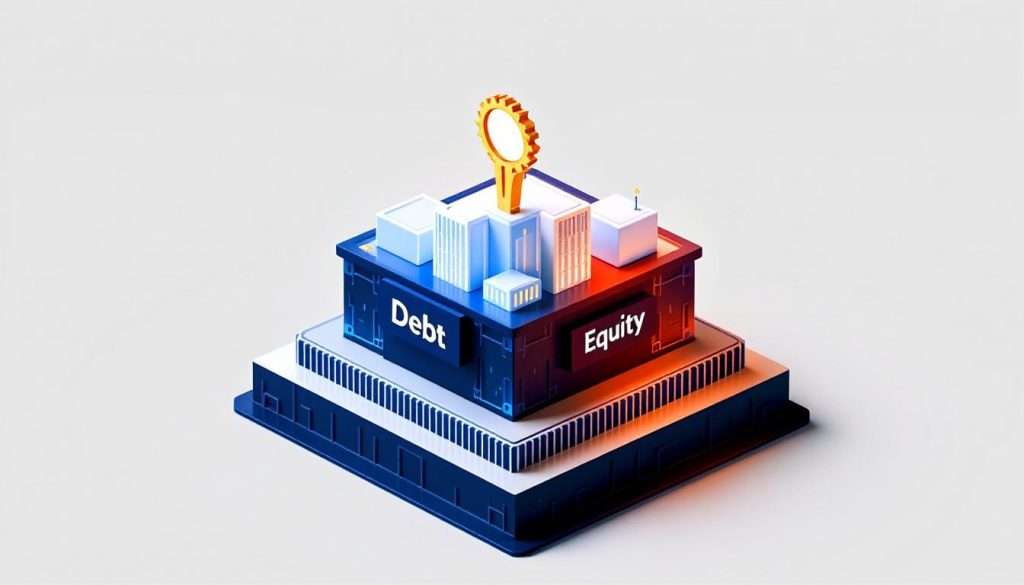

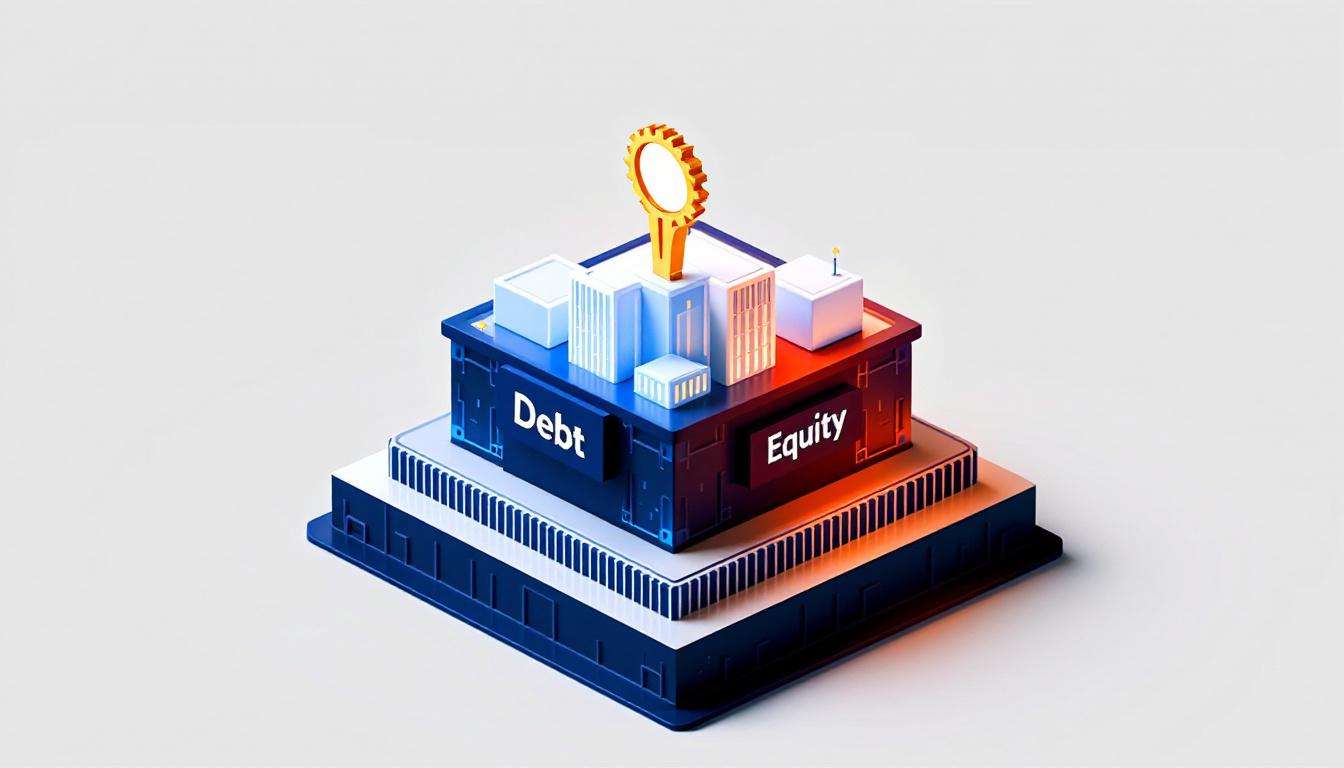
For accredited investors expanding into private equity real estate, the term “Capital Stack” appears in nearly every offering memorandum. It defines who owns the deal, who gets paid first, and who bears the most risk.
Understanding the stack is arguably more important than understanding the property itself. It tells you exactly where your money sits in the hierarchy of the investment.
At Primior, we believe educated investors are our best partners. Here is a deep dive into the four layers of the Capital Stack and what they mean for your risk-adjusted returns.
1. Senior Debt (The Foundation)
Position: Bottom of the stack (First Priority).
Risk: Lowest.
Return: Lowest (Interest Rate).
This is the bank loan or mortgage. The lender has the first lien on the property. If the project fails and the property is sold, the bank gets paid before anyone else sees a dime. Because they take the least risk—backed by the collateral of the building—they accept a lower, fixed rate of return (the interest rate).
- *Investor Note:* High leverage (a large senior loan) increases risk for equity investors because the debt service payments are higher.
2. Mezzanine Debt / Preferred Equity
Position: Middle.
Risk: Medium.
Return: Medium to High (Fixed Rate or Preferred Return).
This layer sits between the bank loan and the common equity. It bridges the gap.
- Mezzanine Debt: A junior loan. If the borrower defaults, the mezzanine lender can take over the ownership of the entity that owns the property.
- Preferred Equity: Investors here get paid after the bank but before the common equity (you). They usually receive a fixed rate of return (e.g., 8-10%) and get their capital back first upon sale.
- *Why it matters:* This layer adds leverage. It can boost returns for common equity if the project performs well, but it also increases the hurdle that must be cleared before common equity gets paid.
3. Common Equity (Limited Partners – LPs)
Position: Top.
Risk: Higher.
Return: Highest Potential (Unlimited Upside).
This is typically where you, the passive investor, enter a syndication.
- The Payment Flow: You get paid after the bank, after any preferred equity, and after operating expenses.
- The Upside: In exchange for taking the last position in line, Common Equity enjoys the “upside.” Once the debt is serviced and the preferred returns are paid, all remaining profit flows to the Common Equity.
- Appreciation: When the property sells for a profit, the bank doesn’t get a bonus. They just get their principal back. The Common Equity investors capture the appreciation. If a $50M property sells for $70M, that $20M profit belongs to the equity.
4. The Sponsor (General Partner – GP)
Position: Co-invested with LPs / Performance-Based.
The Sponsor (Primior) organizes the deal, guarantees the loans, manages the construction, and operates the asset.
- Co-Investment: Reputable sponsors invest their own capital alongside LPs in the Common Equity layer. This aligns interests—if you lose money, we lose money.
- Promote: The Sponsor earns a share of the profits (the “promote”) only after the Limited Partners have received their return of capital and a preferred return. This ensures the Sponsor is motivated to outperform projections.
Visualizing Risk & Reward
Imagine the Capital Stack as a waterfall of cash flow.
1. Revenue hits the top.
2. Expenses are paid (taxes, insurance, management).
3. Senior Debt takes its monthly mortgage payment.
4. Preferred Equity (if any) takes its fixed cut.
5. Common Equity (You) catches everything else.
In a strong market, the “everything else” at the bottom is the largest bucket. In a downturn, the bottom bucket dries up first. This is why leverage matters. A deal with 80% leverage (debt) is riskier for equity investors than a deal with 60% leverage, because the “debt bucket” uses up more of the water.
Strategic Capital Structuring
At Primior, we act as both the developer and the manager (Vertical Integration). This allows us to structure the capital stack conservatively while maintaining high upside potential. We focus on projects where we can force appreciation through development and operational efficiency, widening the margin for our equity partners.
Before investing in any syndication, look at the stack. Know who is ahead of you in line, and ensure the projected returns justify the position. View our current projects to see how we structure successful developments.